
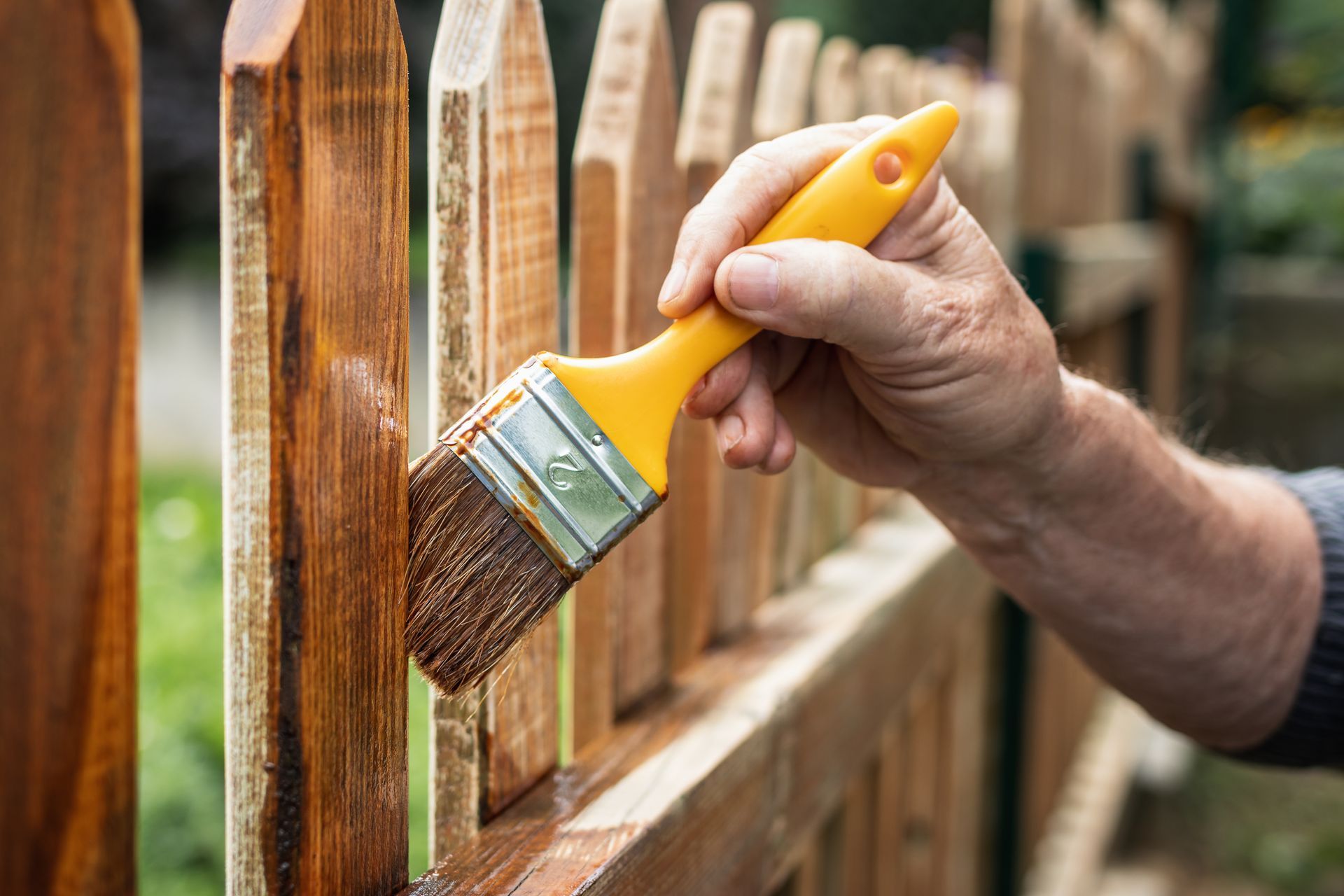
Wood Finishes That Survive Seasonal Extremes
Stain & Varnish Application in Cottonwood Heights for wood surfaces exposed to Utah's temperature swings and UV intensity
Wood surfaces throughout Cottonwood Heights expand and contract through temperature ranges exceeding eighty degrees between summer highs and winter lows, while high-altitude UV exposure degrades unprotected wood grain at accelerated rates. Stain penetrates wood fibers to add color and moisture resistance, while varnish creates a surface film that blocks UV penetration and slows moisture exchange. East Bench Painting applies both finishes to decks, trim, and interior wood surfaces where appearance and durability requirements intersect.
Wood grain assessment determines stain absorption rates and reveals how different board sections will accept pigment—edge grain absorbs more stain than face grain, creating natural color variation that highlights wood character rather than masking it. Stain color selection accounts for how UV exposure will fade the initial application over the first year, with darker tones losing more visible intensity than lighter earth tones. Varnish layering involves sanding between coats to remove raised grain and create mechanical tooth for the next layer, building a finish system rather than applying a single thick coating.
Arrange a consultation to review wood species, current finish condition, and color options that complement your home's existing palette.
How Stain and Varnish Address Wood Degradation
Stain application begins with surface preparation that removes old finish residue, smooths raised grain, and opens wood pores for pigment absorption. Multiple thin coats penetrate deeper than single heavy applications, and drying time between coats allows solvents to evaporate before the next layer seals the surface. Varnish formulations for Utah weather include UV inhibitors that slow the photochemical breakdown of wood lignin, extending the time before wood fibers turn gray and brittle.
Once varnish cures, water beads on the surface rather than soaking into the wood, and the finish develops a depth that makes grain patterns more pronounced under changing light angles. You notice that stained and varnished wood maintains consistent color across the surface rather than developing the blotchy appearance of weathered, unprotected boards. The finish film flexes with seasonal wood movement rather than cracking, provided the coating was applied at appropriate thickness.
Stain and varnish application addresses aesthetic and protective concerns but does not repair structural wood damage, fill large cracks, or replace boards with advanced rot. Quality finish work requires proper substrate condition, controlled application temperatures, and adequate ventilation during drying. Maintenance intervals depend on sun exposure and foot traffic, with horizontal surfaces like decks requiring recoating more frequently than vertical trim.
Answers to Frequent Service Questions
Wood finishing questions typically address product differences, color outcomes, and maintenance expectations under local weather conditions.
What is the difference between stain and varnish on wood?
Stain penetrates wood fibers to deposit pigment and alter color while varnish forms a surface film that provides UV and moisture protection, with most durable finishes combining both products in a layered system.
How long does varnish last on exterior wood in Cottonwood Heights?
Varnish durability on horizontal surfaces exposed to direct sun typically ranges from two to four years before recoating becomes necessary, while vertical trim in partial shade often extends beyond five years depending on initial film thickness and UV inhibitor quality.
Why does wood turn different colors when stained?
Wood grain density varies across each board—tighter grain absorbs less stain and appears lighter while open grain and end cuts absorb more pigment and darken significantly, creating the natural variation that defines wood character.
How many coats of varnish are needed?
Three coats build adequate film thickness for exterior durability, with sanding between each coat to level the surface and remove dust particles that settle during drying, though high-traffic deck surfaces often benefit from a fourth coat.
What happens if stain is applied without varnish?
Stain alone provides color but limited moisture protection, allowing water to penetrate the wood and causing accelerated weathering, grain raising, and eventual pigment washout during freeze-thaw cycles common in this elevation range.
East Bench Painting coordinates stain and varnish application with cabinet refinishing and trim painting services when interior and exterior wood finishing occurs simultaneously. Contact us to review your wood surfaces and discuss finish options that match your maintenance preferences and exposure conditions.