Surfaces Prepared for Decades of Paint Performance
Power Washing in Cottonwood Heights for homes collecting canyon dust and foothills debris before paint application
Canyon dust and foothills debris accumulate on exterior surfaces throughout Cottonwood Heights, creating a barrier between paint and substrate that compromises adhesion. East Bench Painting provides power washing as an integrated surface preparation step before any paint touches your home's exterior. Pressure washing equipment removes the layer of particulate matter that settles on siding, trim, and decks from the nearby Wasatch Range, leaving surfaces clean enough for proper paint bonding.
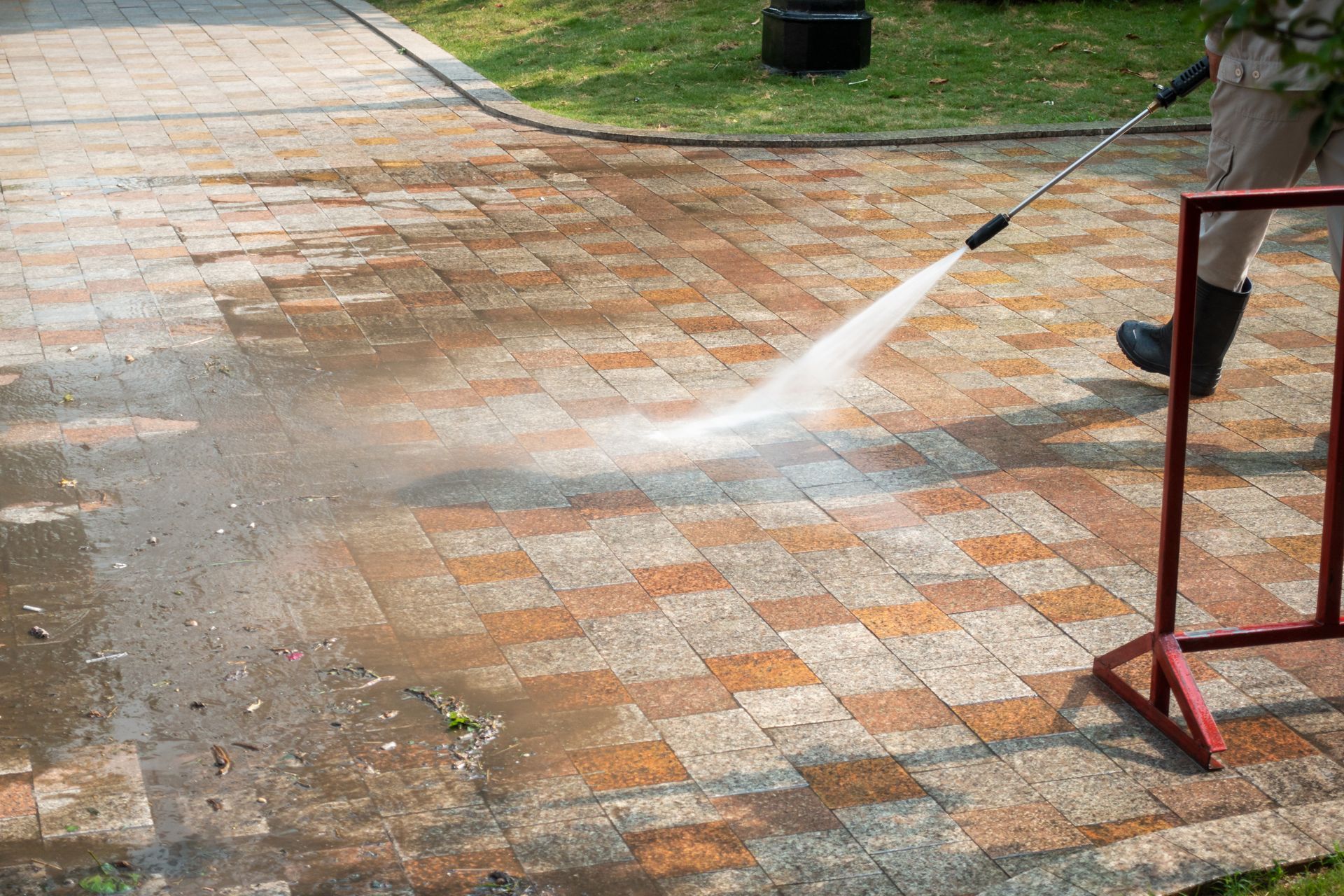
Power washing uses controlled water pressure to strip away dirt, pollen, mildew, and oxidized material from exterior surfaces without damaging the underlying substrate. The process exposes the actual surface texture needed for mechanical paint adhesion, rather than coating over a layer of contaminants that will eventually cause paint failure. Summer work schedules in this region account for the seasonal dust migration from canyon winds and the need to clean surfaces when temperatures allow proper drying before paint application.
Schedule a surface evaluation to determine pressure requirements based on your exterior material and current contamination level.
What Proper Surface Preparation Requires
Pressure washing equipment applies water at varying PSI levels depending on substrate durability—wood siding tolerates lower pressure than concrete, while stucco requires angled application to avoid driving water behind the finish. Surface assessment determines nozzle selection and distance to remove contaminants without eroding wood grain, pitting concrete, or forcing water into wall cavities. The cleaning process includes deck boards, railings, fascia, and concrete walkways where paint or stain will be applied.
After power washing, surfaces dry to reveal the actual condition of your exterior materials—areas where old paint has failed become clearly visible, and wood grain texture emerges from beneath years of accumulated grime. You notice that water beads differently on cleaned surfaces compared to untreated areas, and the color of your siding or deck shifts several shades lighter once the embedded dirt is removed. East Bench Painting coordinates washing with painting timelines to prevent recontamination between cleaning and coating.
Power washing removes surface contamination but does not repair damaged wood, fill cracks, or address underlying moisture issues. Additional preparation steps like sanding, caulking, and priming follow the cleaning process based on what the washing reveals. Surfaces require adequate drying time before paint application—typically twenty-four to forty-eight hours depending on humidity and temperature.
What Homeowners Usually Ask
Questions about power washing often focus on timing, surface compatibility, and how cleaning integrates with the overall painting process.
What surfaces can be safely power washed?
Wood siding, composite decking, concrete, stucco, and metal surfaces tolerate pressure washing when PSI and nozzle angle are matched to material hardness, though older cedar shingles and deteriorated wood require lower pressure to prevent grain damage.
How much does power washing a house cost?
Pricing reflects square footage of cleanable surface area, accessibility challenges like multi-story heights or landscaping obstacles, and the degree of contamination requiring removal before surfaces are paint-ready.
When should power washing happen before painting?
Cottonwood Heights homes benefit from summer power washing when temperatures support rapid drying and when canyon dust accumulation peaks, allowing surfaces to dry completely before primer or paint application begins.
Why does paint fail on surfaces that were not power washed?
Paint adheres to whatever layer exists on the substrate—if that layer is dust, pollen, or oxidized material rather than solid wood or masonry, the paint bonds to the contaminant instead of the structure, leading to premature peeling or flaking.
What happens to landscaping during power washing?
Water runoff flows toward planted areas and lawns, so sensitive plants near the house perimeter receive temporary covering, and detergent-free washing protects root zones from chemical exposure during the cleaning process.
East Bench Painting coordinates power washing with your painting project timeline to maintain surface cleanliness through the coating process. Request an exterior assessment to review surface conditions and determine the preparation sequence your home requires.